If you want a Charlotte neighborhood that feels established the moment you arrive, Myers Park stands out. You can feel its rhythm in the mature trees, the broad residential streets, and the steady mix of everyday routines that happen between historic homes, parks, and local errands. If you are wondering what daily life here really looks like, this guide will walk you through the character, pace, and practical lifestyle of Myers Park. Let’s dive in.
What Myers Park feels like day to day
Myers Park was planned in the early 20th century, and that original vision still shapes the neighborhood today. National Register documentation describes a district with 958 structures, defined largely by detached single-family homes on tree-shaded lots. You see that history in the consistent setbacks, generous lawns, and the park-like layout that still gives the area its identity.
This is not a dense, mixed-use district built around constant activity. Instead, Myers Park reads first as a residential neighborhood with a strong preservation-minded feel. That creates a calmer pace that many buyers appreciate, especially if you want room to breathe while staying close to the rest of Charlotte.
Historic homes shape the neighborhood
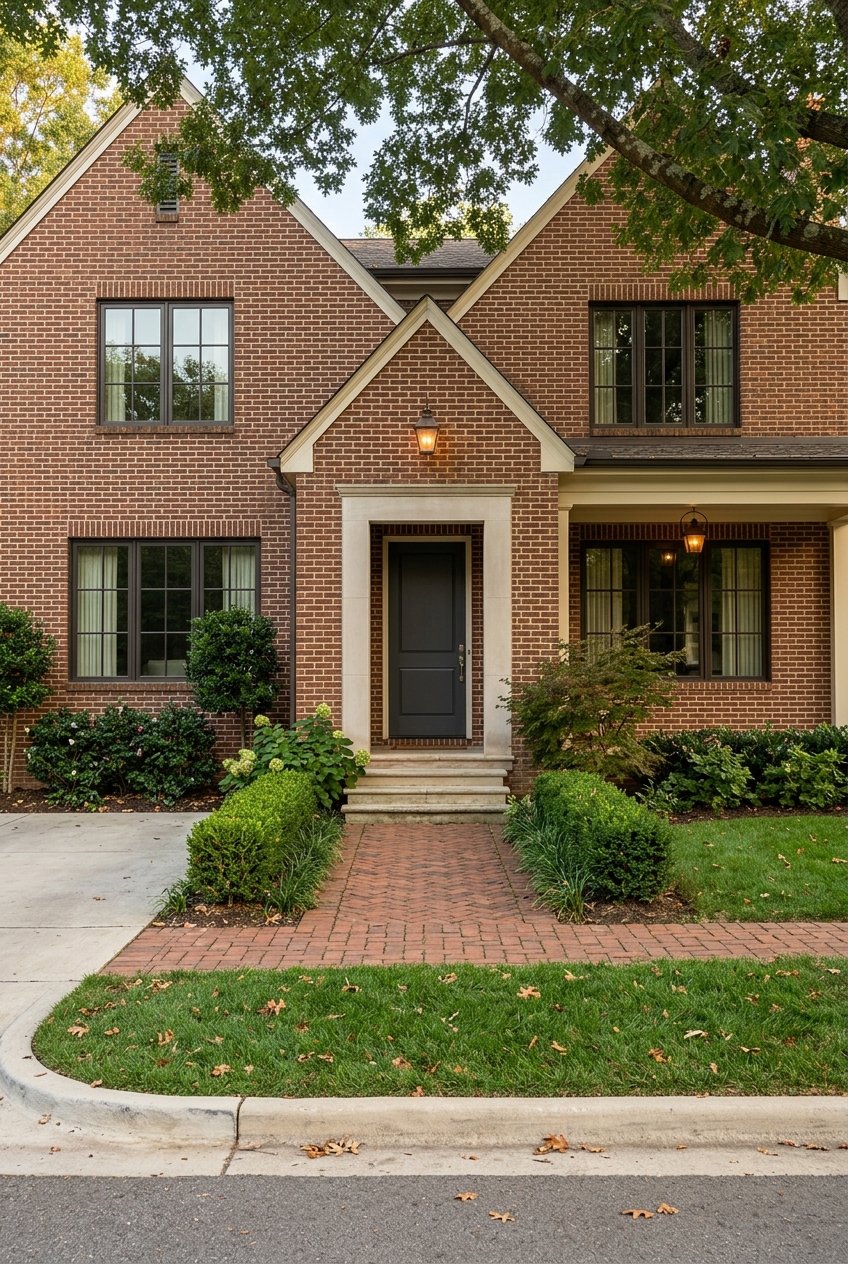
Architecture is a big part of everyday life in Myers Park. Colonial Revival, Bungalow, and Tudor Revival homes are among the most common styles named in the historic documentation, and they help give the neighborhood a distinct visual character. Even a simple walk or drive through the area can feel like a tour of Charlotte’s residential history.
The neighborhood was also designed to feel park-like, with privacy, green space, and tree cover built into the layout. The Myers Park Homeowners Association notes that this long-standing focus on preservation grew stronger in response to rezoning pressure in the 1970s, and the association was incorporated in 1984. For you as a resident or buyer, that means the physical character of the neighborhood has been something people have actively worked to protect.
Trees, sidewalks, and outdoor routines
One of the easiest things to notice in Myers Park is how much the tree canopy shapes the experience of being there. Queens University describes the area around its campus as full of trees and charm, and the City of Charlotte continues to protect the city’s nationally recognized tree canopy through its Tree Canopy Preservation Program. The local homeowners association also supports a private-property tree initiative to help restore and grow that canopy.
That matters because outdoor life here is not just occasional. Spacious sidewalks, shaded streets, and nearby trail connections make walking, running, and biking feel like part of the normal routine. In a neighborhood like Myers Park, those details influence how your mornings, evenings, and weekends unfold.
Parks and trails are part of the lifestyle
Freedom Park is one of the area’s major lifestyle anchors. Mecklenburg County identifies it as one of Charlotte’s top park destinations, and for many residents it becomes part of the weekly pattern, whether that means walking, meeting friends, or spending time outdoors.
The Little Sugar Creek and Cross Charlotte Trail network also adds another layer to everyday mobility and recreation. The City of Charlotte describes it as a signature pedestrian and bicycle route connecting multiple destinations, with a broader vision of linking more than 40 miles of bikeways into and across center city. If you enjoy neighborhoods where you can stay active close to home, Myers Park offers that kind of access.
Local traditions add community rhythm
Beyond the physical setting, Myers Park has neighborhood traditions that help create a familiar annual rhythm. The Myers Park Homeowners Association hosts an annual Fourth of July parade at Queens University, and it describes the event as one of the neighborhood’s biggest gatherings.
Events like that help define what everyday life feels like over time. They give the neighborhood a sense of continuity and a local calendar that residents can look forward to each year. For many buyers, that kind of steady community pattern matters just as much as the architecture or location.
Everyday errands are easy to manage
Myers Park offers access to both neighborhood-scale shopping and larger regional retail. Park Road Shopping Center, which opened in 1956 as Charlotte’s first open-air shopping center, remains a practical stop for retailers and restaurants. It is the kind of place that fits naturally into regular errands and casual plans.
For a broader selection, SouthPark serves as the larger regional shopping and dining destination for nearby communities, including Myers Park. Its official site highlights more than 150 stores and dining options, and the Village at SouthPark adds an open-air, walkable retail component next to the mall. Together, these two areas give you a good balance between daily convenience and bigger shopping trips.
Library and campus life add texture
The Myers Park Branch Library is another anchor for day-to-day living. Charlotte Mecklenburg Library says the branch sits at the Providence and Queens intersection in the historic neighborhood and offers books, storytimes, workshops, and activities. For many households, that kind of nearby civic resource adds real value to daily life.
Queens University also contributes to the neighborhood’s feel. The university describes its campus as a community hub for lectures, arts, events, lifelong learning, and athletic and cultural programming. That gives Myers Park more texture than a purely residential district, while still preserving its calm and established character.
Getting around Myers Park
Myers Park has transit access, even though it is not best described as a transit-first neighborhood. CATS printed schedules list the Myers Park Branch Library stop on routes 14, 19, 20, and LYNX, and Queens University of Charlotte as a stop served by all routes. Route 20 is identified as Queens Road, and Route 19 as Park Road.
For many residents, that means you have options for getting around without relying on transit as the main feature of the neighborhood. Driving remains important, but bus access adds another layer of connectivity. If you want a residential setting that still stays linked to the broader city, that balance is part of the appeal.
Who Myers Park often appeals to
Myers Park tends to resonate with buyers who want historic architecture, mature trees, park access, neighborhood shopping, and a quieter residential pace. At the same time, the neighborhood stays connected to Charlotte’s larger cultural, retail, and transit network. That combination is a big reason Myers Park remains so sought after.
If you are comparing close-in Charlotte neighborhoods, Myers Park often stands out for its consistency. The design, housing pattern, and outdoor setting create a lifestyle that feels intentional rather than accidental. You are not just choosing a home here. You are choosing a daily environment with a very specific rhythm.
A quick look at everyday life
| Lifestyle feature | What it means in Myers Park |
|---|---|
| Historic setting | Early planned neighborhood with preserved residential character |
| Housing pattern | Mostly detached single-family homes on tree-shaded lots |
| Outdoor routine | Spacious sidewalks, mature canopy, parks, and trail access |
| Errands and dining | Easy access to Park Road Shopping Center and SouthPark |
| Community anchors | Myers Park Branch Library and Queens University |
| Transit access | CATS bus service at key neighborhood stops |
What to keep in mind as a buyer
If schools are part of your home search, it is important to verify the specific property address. Charlotte-Mecklenburg Schools publishes student boundary maps that include Myers Park Elementary and Myers Park High, but boundaries can change and exact assignments depend on the address. Myers Park High School is located at 2400 Colony Road.
It is also helpful to remember that Myers Park offers a particular type of lifestyle. If you are looking for a neighborhood built around dense retail, nightlife, or newer housing patterns, another part of Charlotte may be a better fit. But if you value established homes, lasting neighborhood character, and an outdoor-friendly routine, Myers Park has a lot to offer.
Whether you are planning a move across Charlotte or relocating from outside the area, understanding how a neighborhood lives day to day can make your decision much clearer. Myers Park offers a blend of historic character, everyday convenience, and calm residential appeal that is hard to replicate. If you want thoughtful guidance as you explore Charlotte neighborhoods and weigh what fits your life best, Katie Harrison is here to help.
FAQs
What is everyday life like in Myers Park, Charlotte?
- Everyday life in Myers Park tends to feel calm, established, and residential, with historic homes, mature trees, sidewalks, nearby parks, and convenient access to shopping and community resources.
What kinds of homes are common in Myers Park?
- National Register documentation says Myers Park is made up mostly of detached single-family homes, with Colonial Revival, Bungalow, and Tudor Revival among the dominant architectural styles.
Are there parks and trails near Myers Park?
- Yes. Freedom Park is a major nearby destination, and the Little Sugar Creek and Cross Charlotte Trail network supports walking, running, and biking connections.
Where do Myers Park residents usually shop and dine?
- Park Road Shopping Center serves as a practical neighborhood-scale stop, while SouthPark offers a larger regional mix of stores and dining options.
Does Myers Park have public transit access?
- Yes. CATS schedules list service at the Myers Park Branch Library and Queens University area on multiple routes, including 14, 19, 20, and LYNX.
How can you verify school assignments for a Myers Park home?
- You should verify the exact property address through Charlotte-Mecklenburg Schools boundary information, because school assignments can change and depend on the street address.